
12.17.2025 / 5-minute read
Truck-Mounted & Mobile in One: The Convertible Scissor Lift Platform
Overview
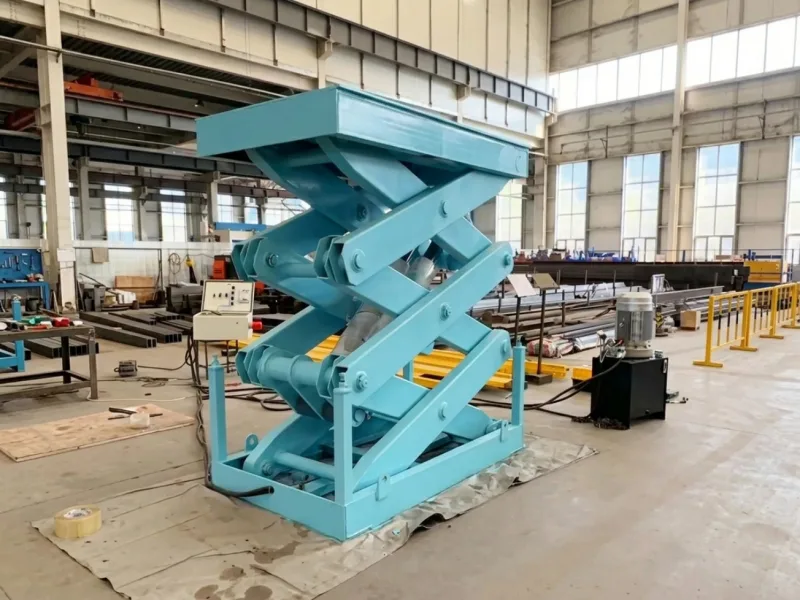
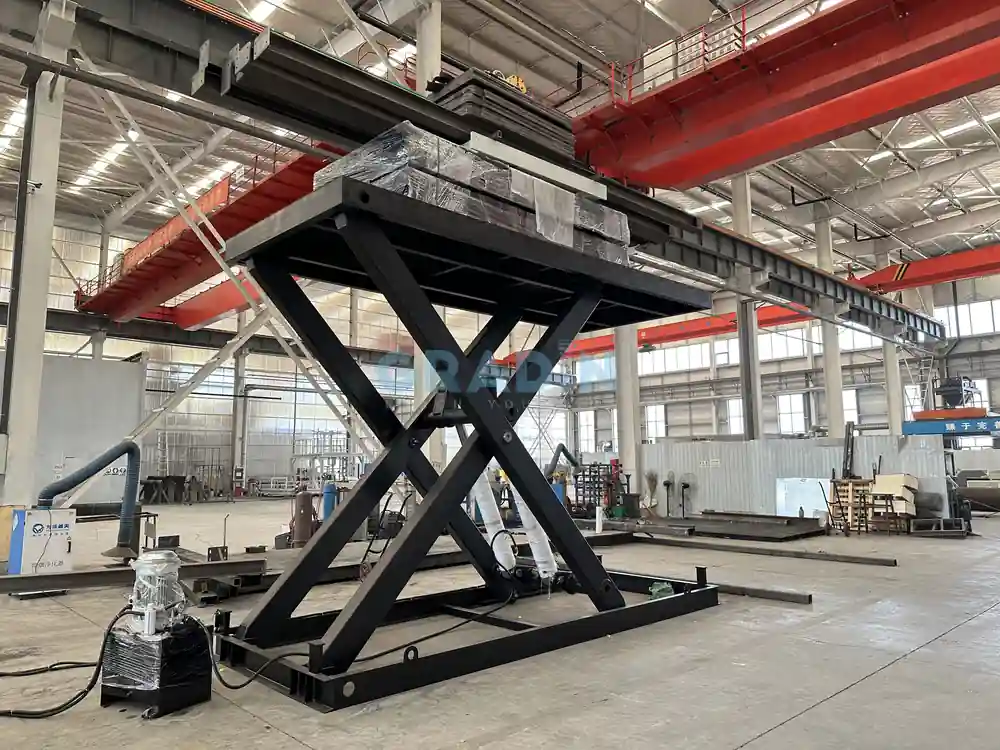
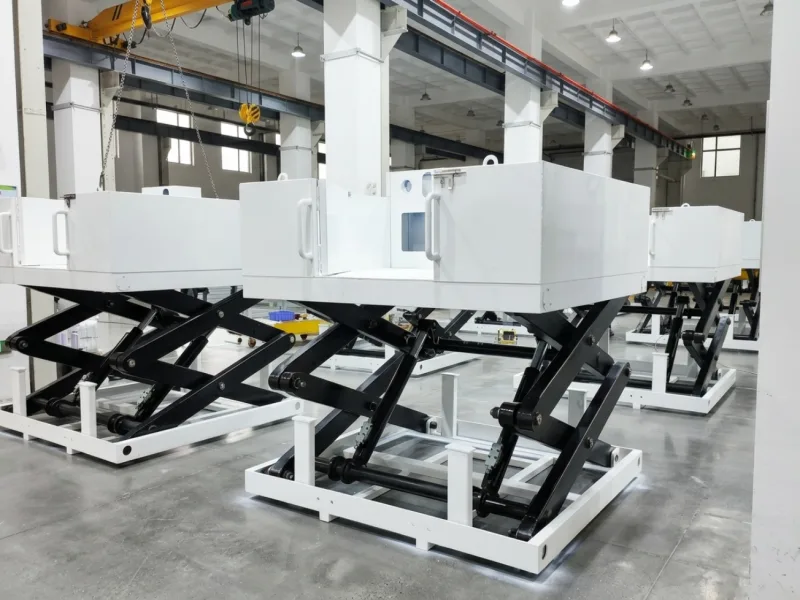
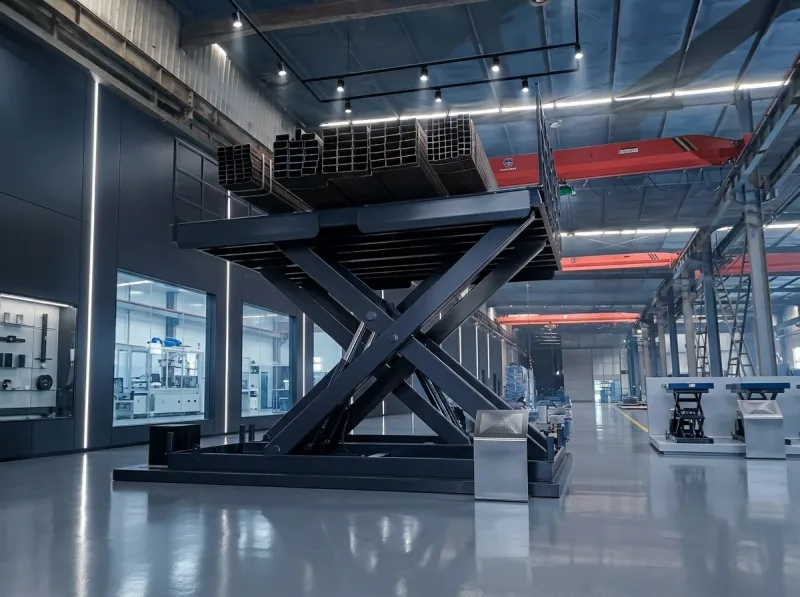
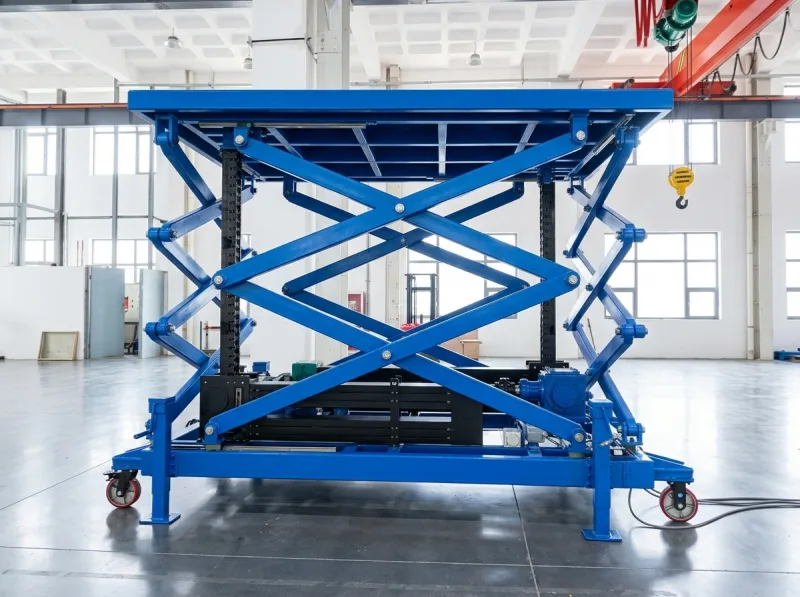
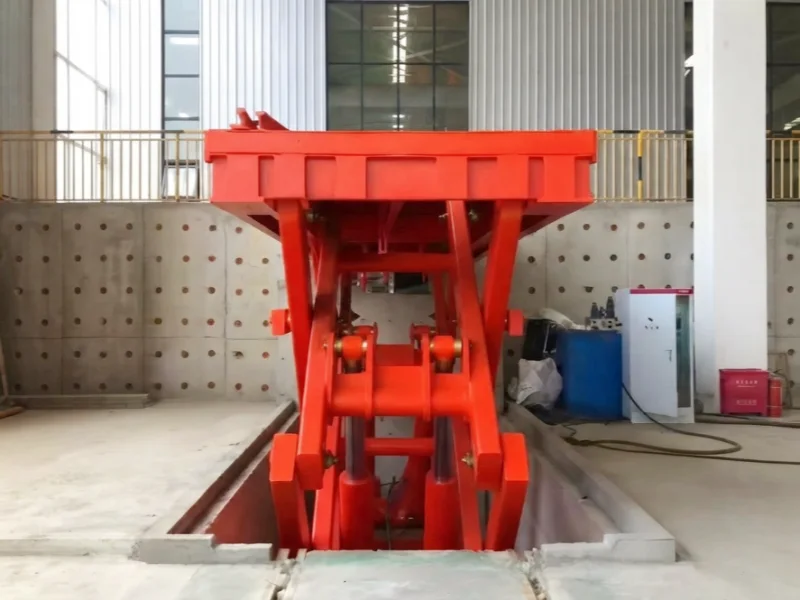
This product is a hydraulically-powered scissor lift platform featuring a revolutionary modular design.
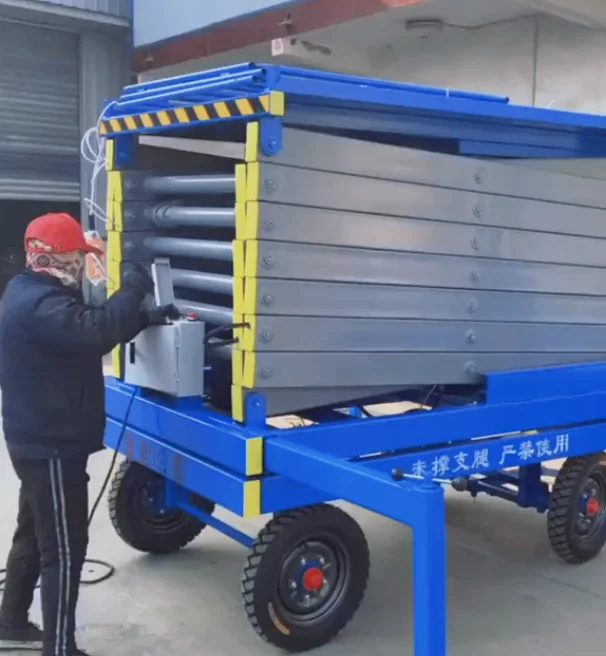
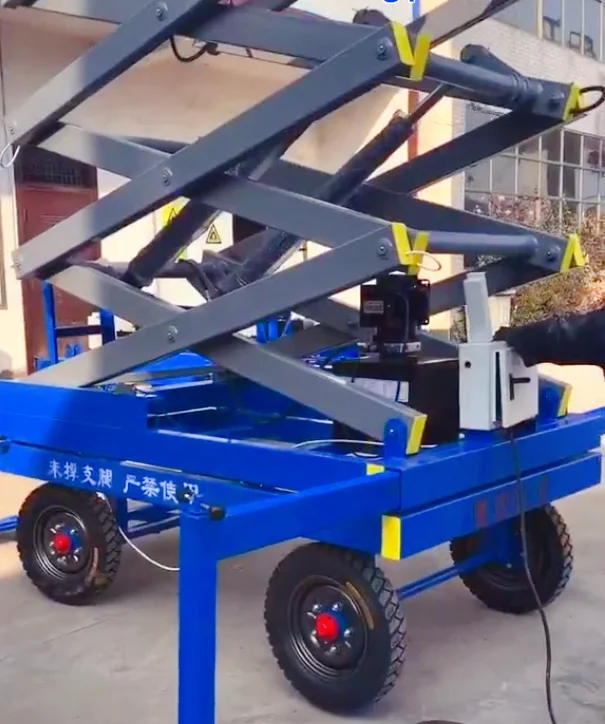
Its core innovation lies in the quick separation and combination of the upper scissor lifting mechanism and the lower wheeled drive chassis, achieved via high-strength bolted connections.
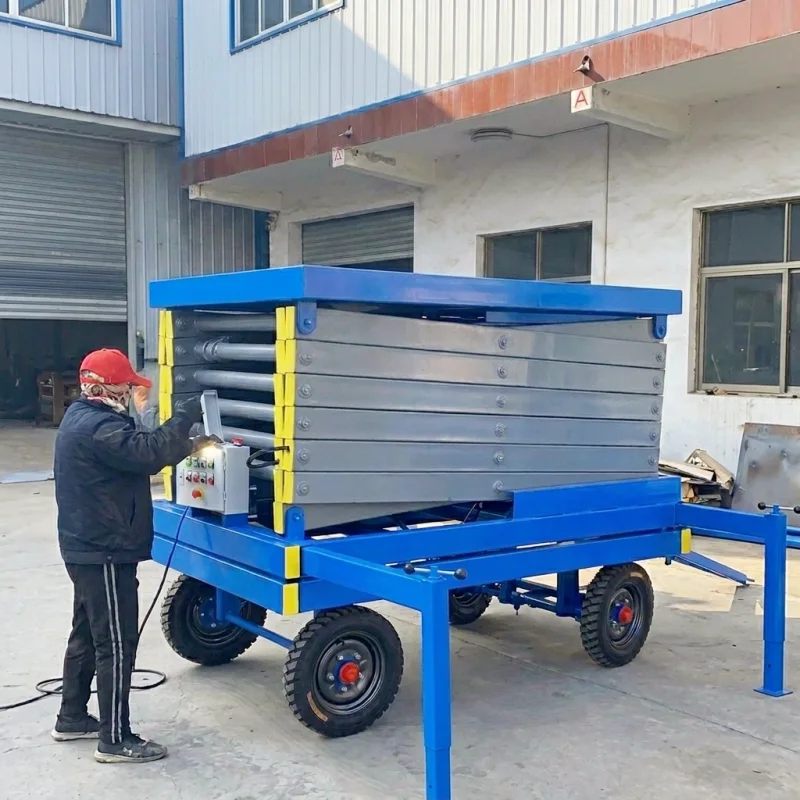
This design enables a single unit to flexibly switch between self-propelled mobile and truck-mounted fixed operational modes based on job requirements.
It fundamentally redefines the application paradigm and asset allocation logic for traditional aerial work equipment, aiming to optimize the customer’s Return on Investment (ROI).
Basic Parameters
| Item | Parameter / Description | Remarks |
|---|---|---|
| Model | SC-HY Series (Example) | Customizable by load & height |
| Core Design | Modular bolted connection; separable scissor assembly & chassis | Patented Design Feature |
| Operational Modes | 1. Mobile (with wheeled chassis) 2. Vehicle-Mounted (platform body only) | User-switchable based on need |
| Max Working Height | 8m, 10m, 12m (Options) | From platform floor to ground |
| Rated Load Capacity | 200kg, 300kg, 500kg (Options) | Uniformly distributed load |
| Mobile Chassis | Pneumatic or polyurethane solid tires; with steering & manual/electric drive options | Suitable for indoor/outground |
| Conversion Time | ~20-30 minutes (operated by 2 technicians) | Requires standard tools |
| Control System | Electro-hydraulic control, emergency descent device, tilt alarm (optional) | Complies with safety standards |
| Power Source | AC/DC (Battery) or Engine Drive | Select based on environment |
Challenge
- Static Assets vs. Dynamic Needs: Dedicated mobile platforms offer maneuverability but lack quick long-distance transfer capability; truck-mounted platforms enable efficient transfer but are restricted in narrow or indoor spaces. Companies often require duplicate investments to cover all scenarios, resulting in high equipment idle rates and increased Total Cost of Ownership (TCO).
- Operational Efficiency Bottlenecks: Switching job sites relies on large auxiliary equipment (e.g., trucks, forklifts) for loading, unloading, and transportation, resulting in cumbersome processes, long setup times, and slow response times.
- Capital Tie-up and Inflexibility: For companies with diverse projects or in growth phases, purchasing heavy specialized equipment represents a significant capital burden. Asset allocation lacks elasticity, hindering rapid adaptation to market changes.
Solution
- Decouplable Connection System: The scissor assembly and chassis frame are joined via precisely aligned, high-strength bolt groups. This ensures overall structural rigidity and safety while allowing for quick disassembly or reassembly (typically <30 minutes) using standard tools.
- Dual-Mode Configuration:
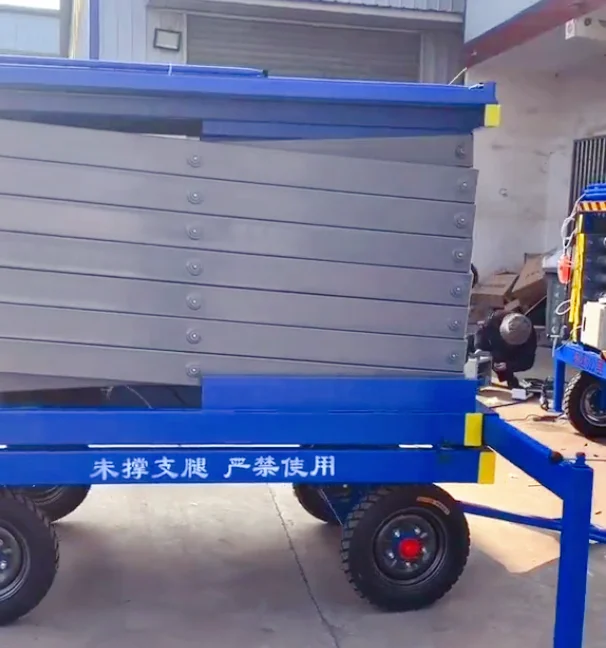
- Mode A (Mobile): The chassis integrates drive wheels, steering wheels, and a braking system, functioning as a fully independent, self-propelled, or towable lifting platform.
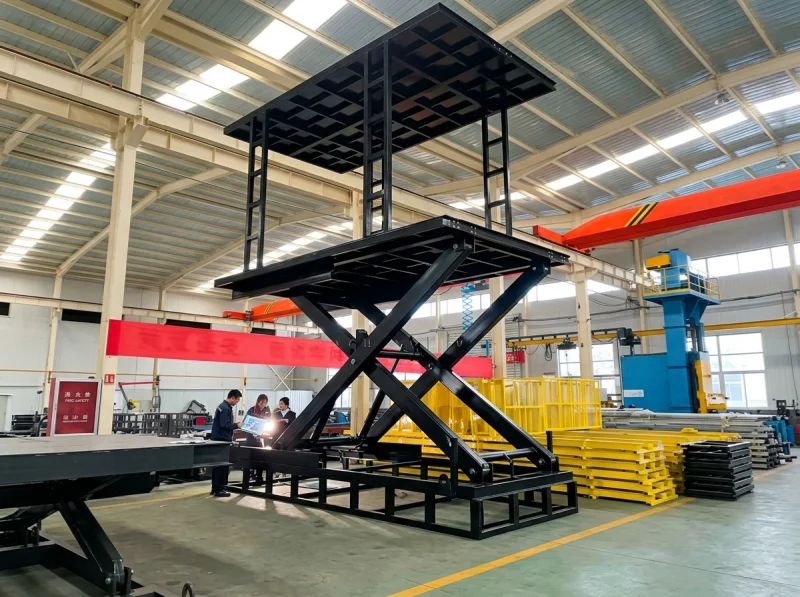
- Mode B (Vehicle-Mounted): After removing the wheeled chassis, the platform body can be secured onto a truck bed via standard lifting or roll-on methods, converting it into a vehicle-mounted lifting system.
- Cost Optimization: A single investment fulfills dual applications, significantly reducing procurement, maintenance, and storage costs. Equipment utilization rates can approach 100%.
- Operational Efficiency: Scenario switching requires no complex external assistance, drastically cutting project preparation and relocation time, thereby enhancing service response capability and customer satisfaction.
- Strategic Flexibility: Endows corporate equipment assets with high adaptability, easily handling various contracts from large-scale centralized operations to scattered maintenance tasks, strengthening market competitiveness.
Details









 EN
EN  ES
ES  PT
PT  FR
FR  RU
RU  KO
KO  DE
DE  AR
AR