
10.28.2025 / 5-minute read
Fixed U-Shaped Scissor Lift Platform
Overview
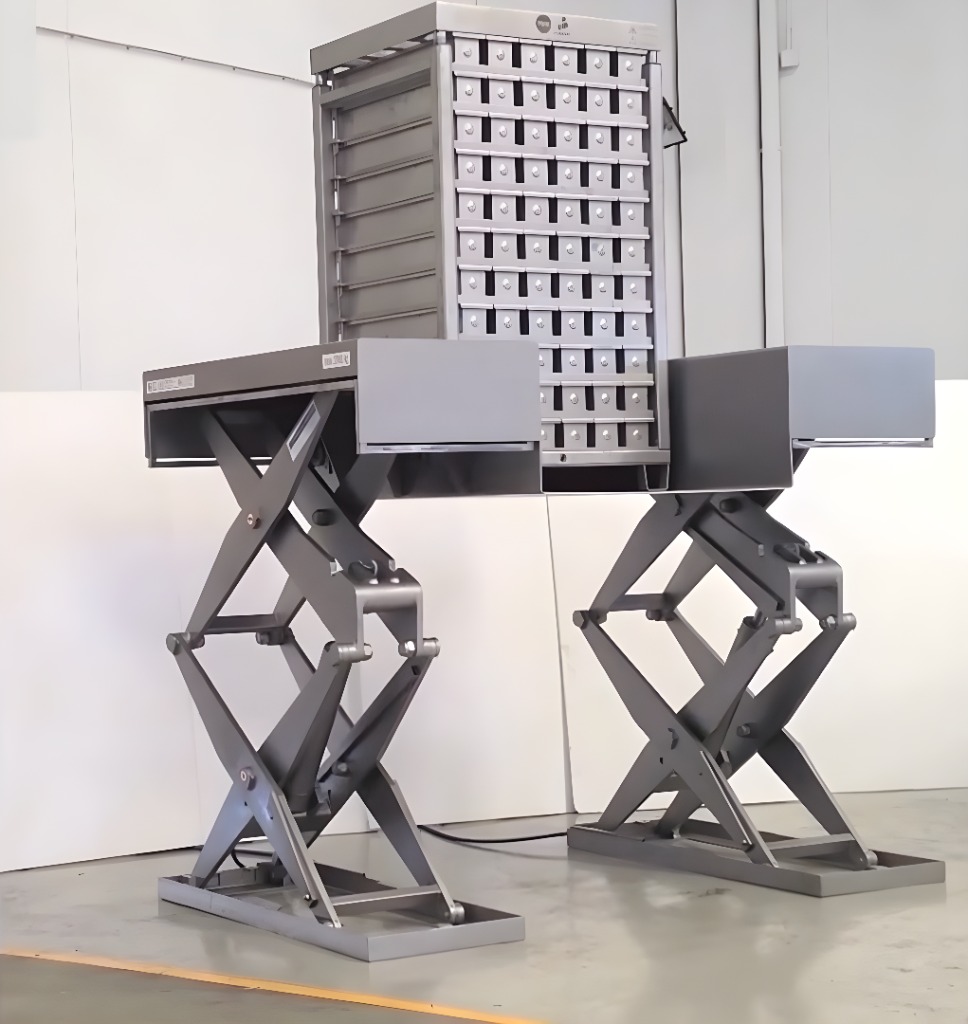
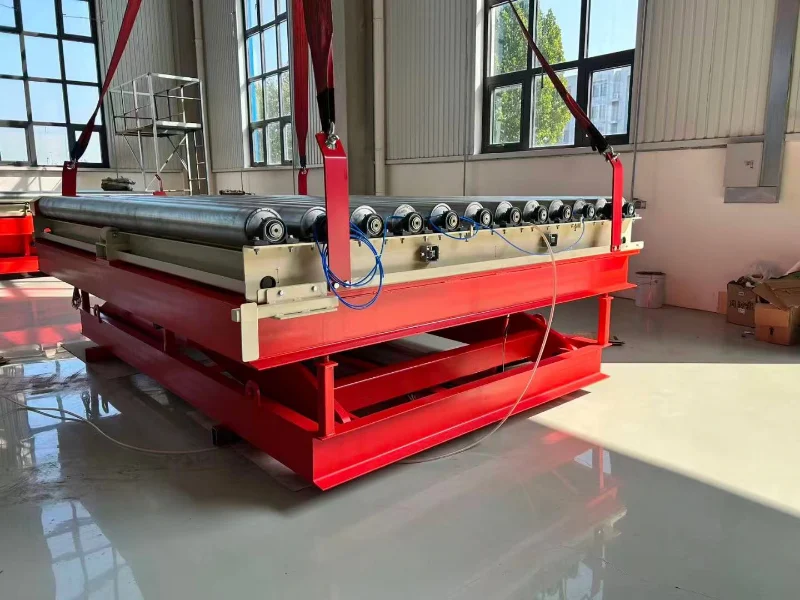
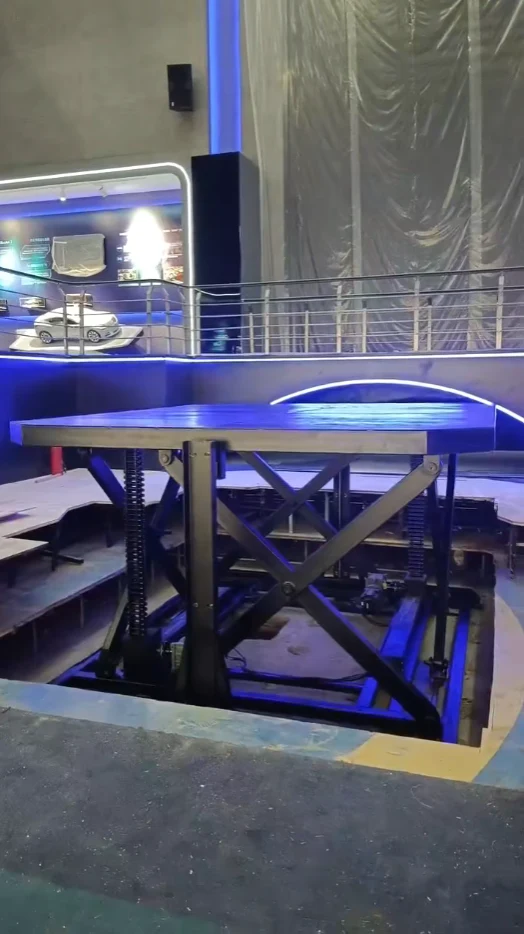
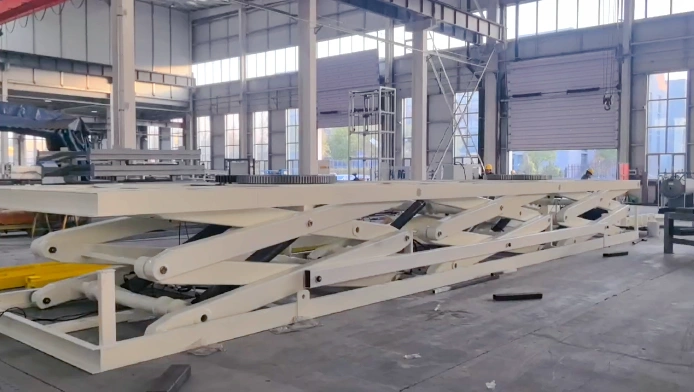
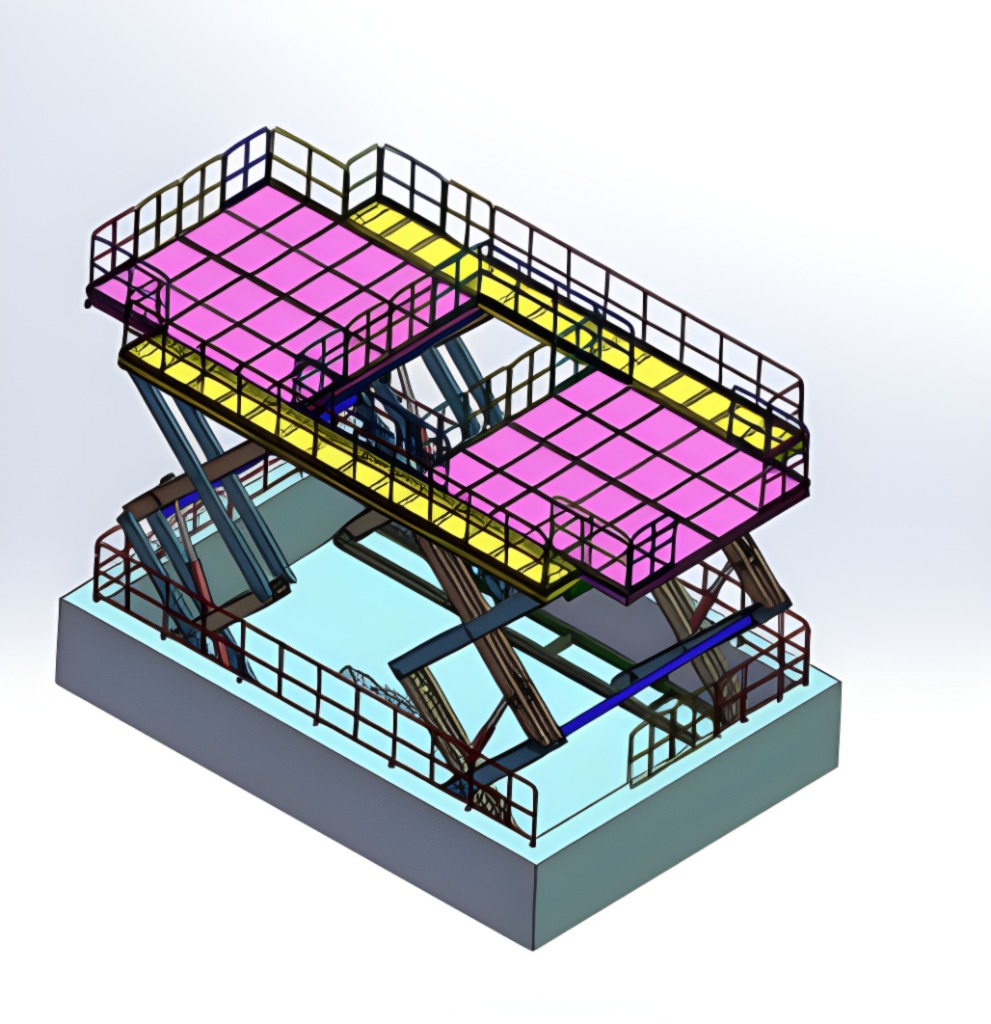
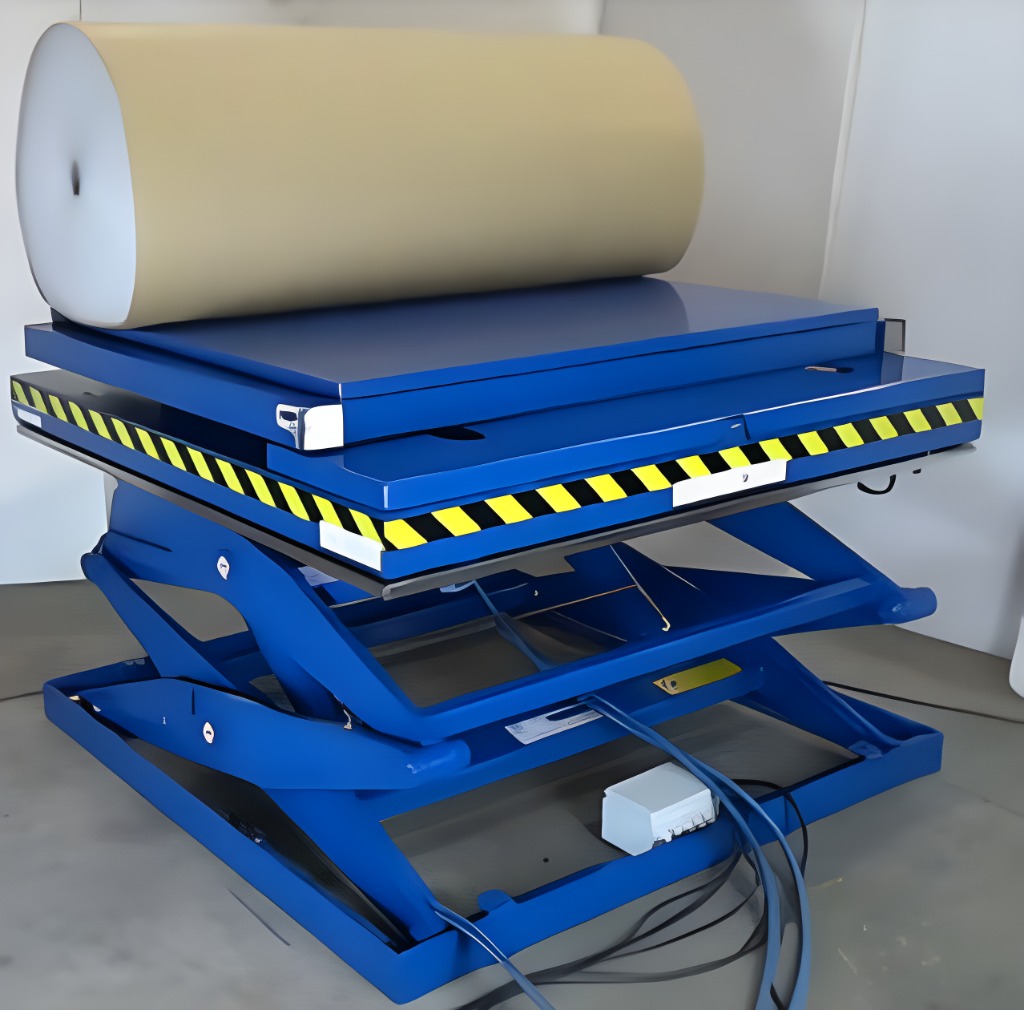
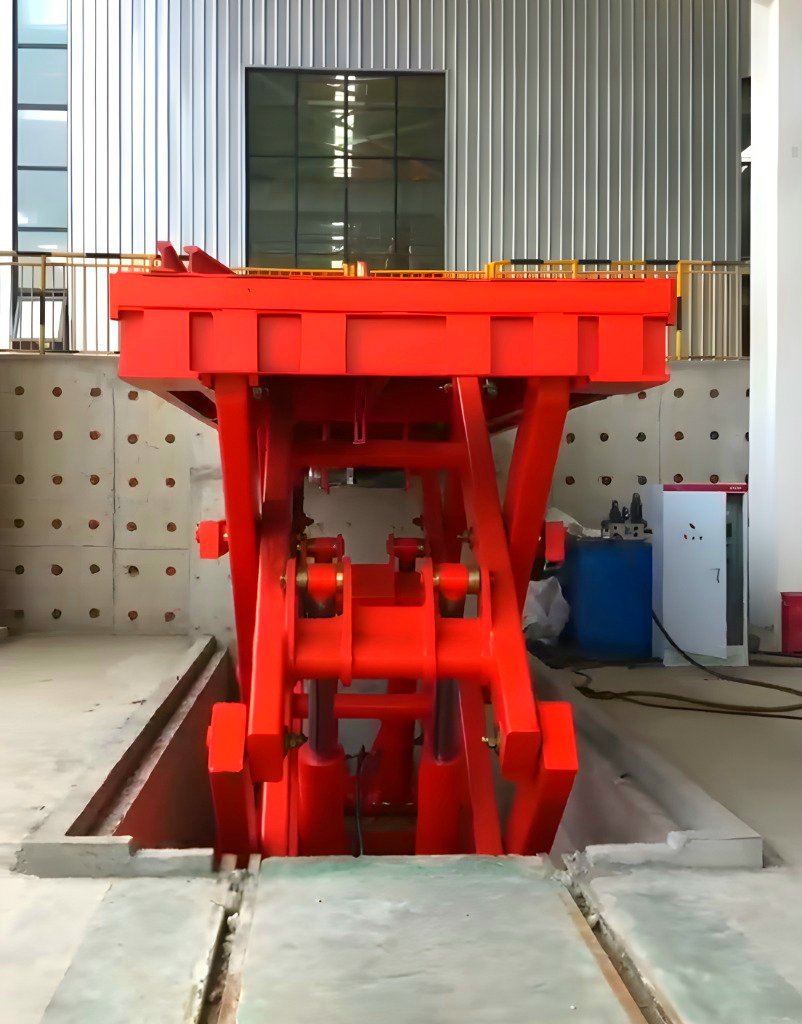
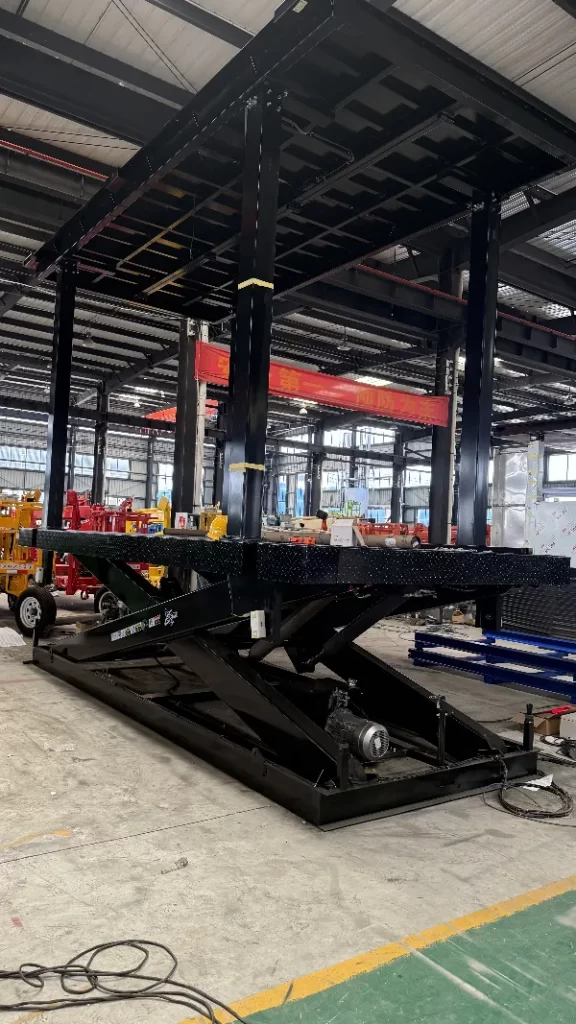
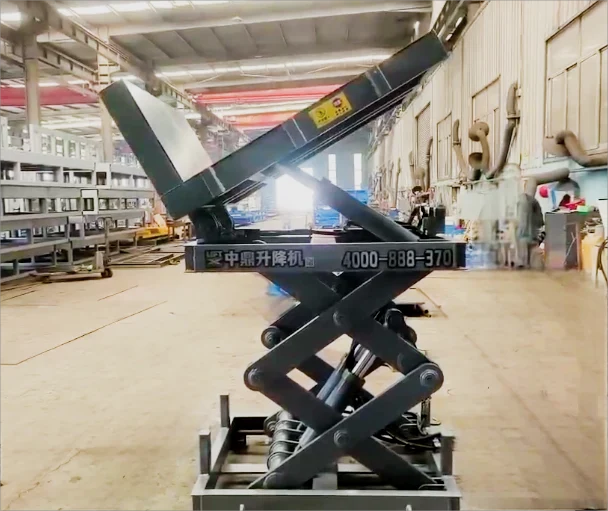
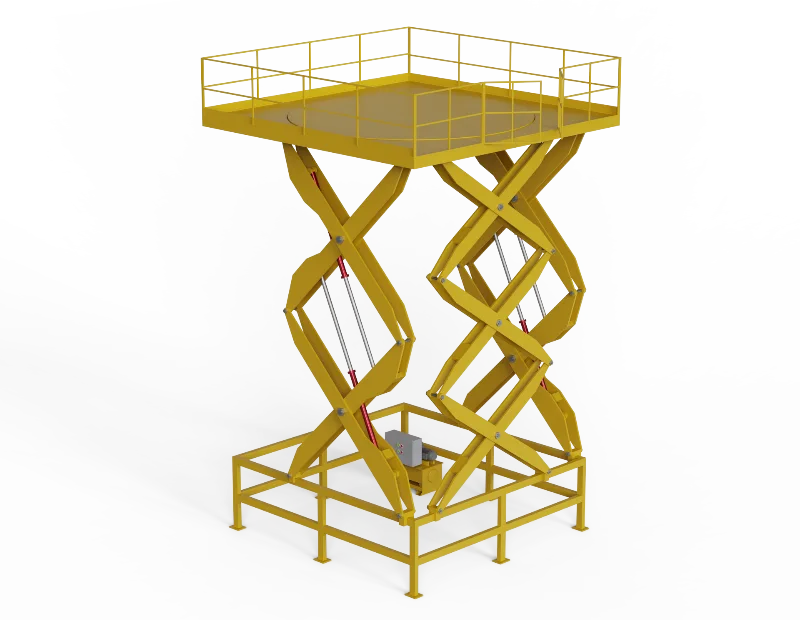
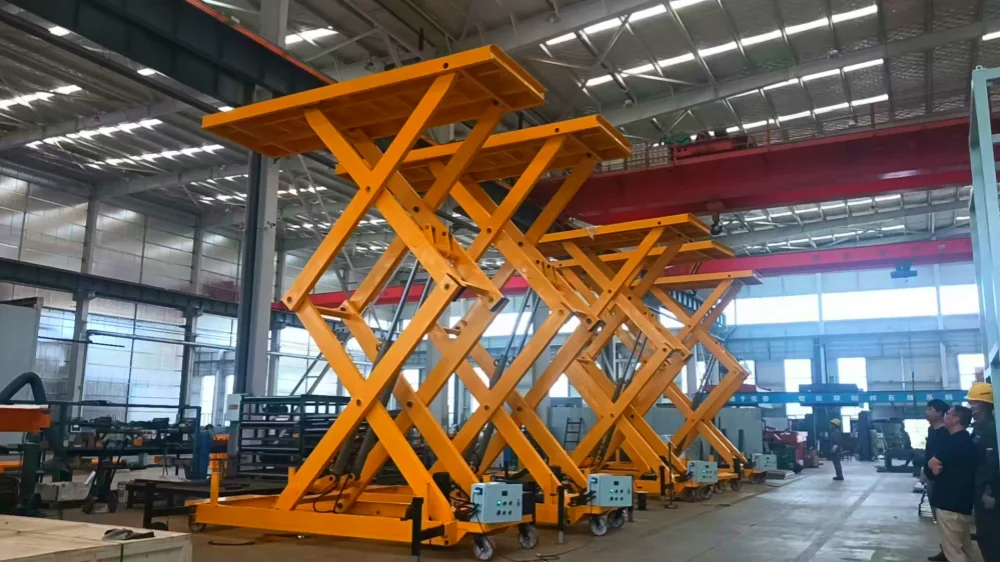
The Fixed U-Shaped Scissor Lift Platform is a heavy-duty, stationary lifting solution engineered for applications requiring frequent and stable vertical movement of heavy materials and equipment. Its key differentiator is the combination of a U-shaped platform and a dual scissor mechanism.
This design is particularly advantageous for handling long, oversized, or irregularly shaped workpieces. The U-shaped opening allows forklifts or overhead lifting devices unobstructed access to the load from the front or sides, significantly streamlining the loading and unloading process. The dual scissor structure, a hallmark of scissor lifts, provides exceptional stability during ascent and descent, ensuring the platform remains steady and wobble-free even under full capacity. Being a fixed installation, it is ideal for dedicated workstations that demand reliable, high-performance lifting over the long term.
Basic Parameters
| Parameter | Typical Specification / Description |
|---|---|
| Rated Load Capacity | 1~40 tons (Customizable) |
| Lifting Travel | 0.5~3 meters (Customizable) |
| Platform Size | Customizable, with U-shaped opening |
| U-Shaped Opening | Allows access for forklifts or lifting devices |
| Power Supply | Typically 380V/50Hz industrial power |
| Control Mode | Control buttons on both platform and ground |
How It Works
The platform’s reliable operation hinges on the synchronized interplay between its hydraulic power system and the scissor mechanical structure.
- Power Activation: An electric motor drives a hydraulic power unit, which generates pressurized hydraulic fluid.
- Scissor Extension: This pressurized fluid is directed to hydraulic cylinders, which extend and push the crisscrossed scissor arms. The arms pivot at their centers, transforming the horizontal force into a vertical lifting motion.
- Stable Lifting: The dual scissor mechanism distributes the load evenly, providing inherent stability and preventing tilting or swaying during operation.
- Precision Control: Operators can precisely control the lift, stop, and descent functions via control buttons located on the platform and at ground level. The system is typically equipped with a manual descent valve as a safety backup in case of power loss.
The Challenges
Before integrating a specialized solution like this, many industrial operations face several material handling challenges:
- Inefficiency: Relying on repeated forklift trips or building temporary scaffolding is time-consuming and disrupts production workflows.
- Safety Hazards: Manually handling heavy loads at height carries risks of falls, dropped objects, and equipment tipping.
- Limited Flexibility: Conventional solid platforms are ill-suited for long materials (e.g., pipes, beams), making it difficult to center and support them properly during lifting.
- Floor Damage: Constant forklift movement, especially with heavy loads, can cause significant wear and tear to factory floors.
Solutions & Technical Highlights
- Boosting Efficiency & Streamlining Process:
The platform acts as a fixed, adjustable work surface that integrates directly into the production line. Materials can be positioned once and then lifted or lowered as needed, drastically reducing non-productive handling time. Simple push-button controls allow a single operator to manage the entire process, freeing up both labor and other equipment. - Ensuring Operational Safety:
- Structural Safety: The dual scissor mechanism offers excellent resistance to off-center loads, ensuring stable lifting.
- System Safety: The hydraulic system is equipped with safety valves or rupture valves to prevent a sudden drop in case of a hose failure.
- Integrated Safety Features: Equipment includes upper and lower limit switches and overload protection. Additional options like safety light curtains can be installed.
- Enhancing Flexibility with U-Design:
This is the platform’s standout feature. The U-shaped opening allows forklift forks or slings to approach the load directly from the front, simplifying the handling of long, cumbersome items that would be awkward on a standard platform. - Durability & Reliability:
Fixed installation avoids the floor damage caused by mobile equipment. The unit is built with a robust design using high-strength steel for key structural components.
Application Scenarios
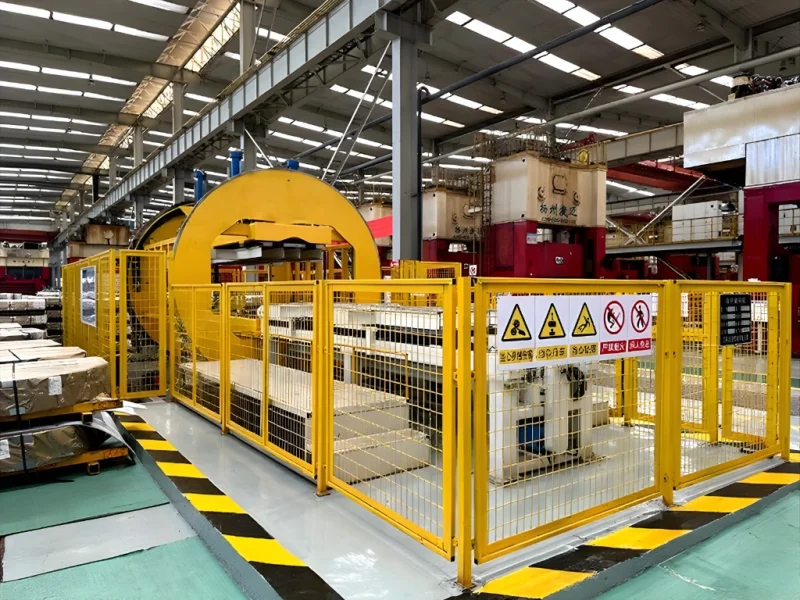
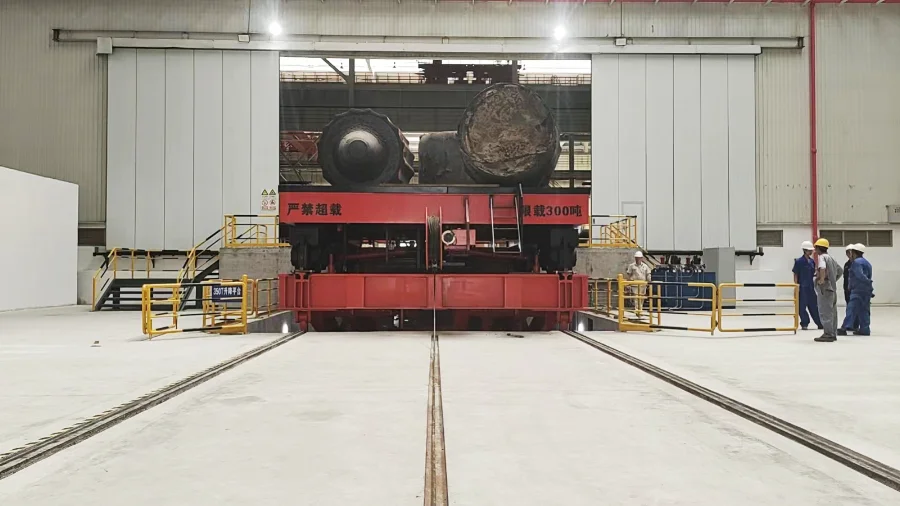
- Heavy Industry & Assembly Lines: Lifting and positioning large components like engines, gearboxes, or machine frames during assembly, allowing workers easy access from multiple sides.
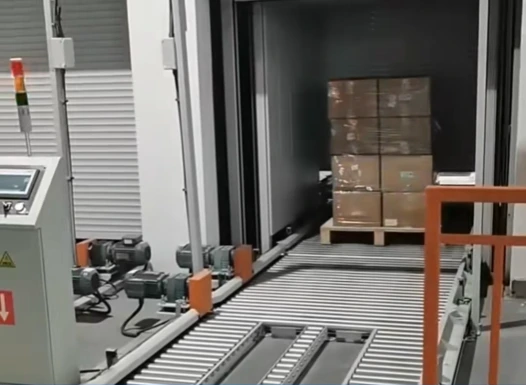
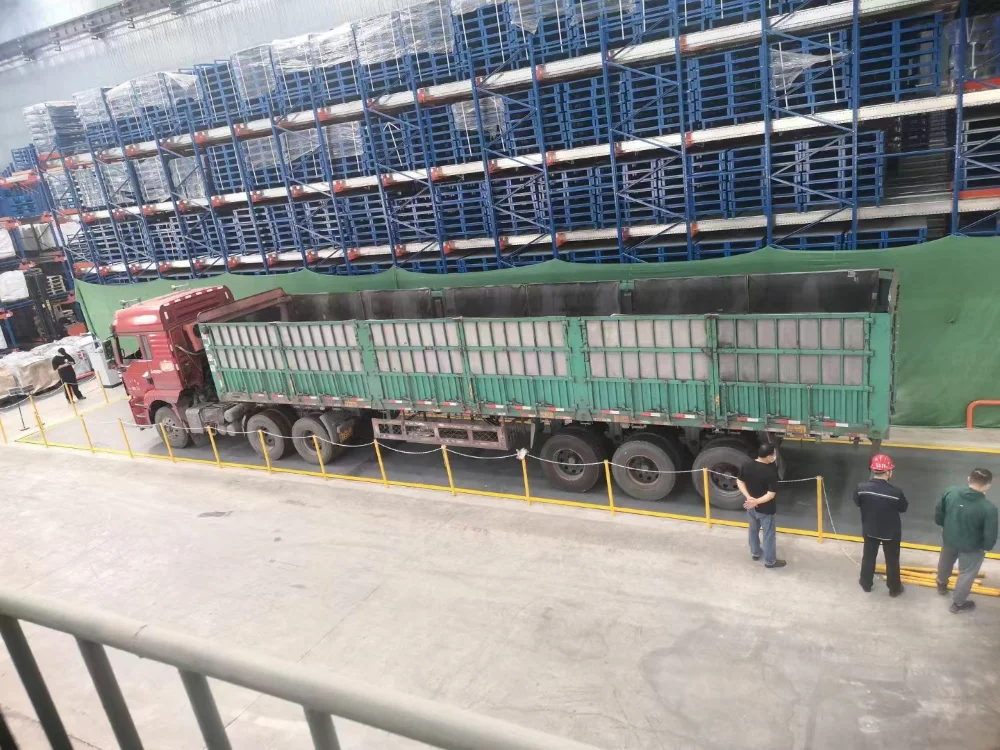
- Warehousing & Logistics: Serving as a height-adjustable interface between conveyor lines or as a loading dock platform for transferring palletized goods.
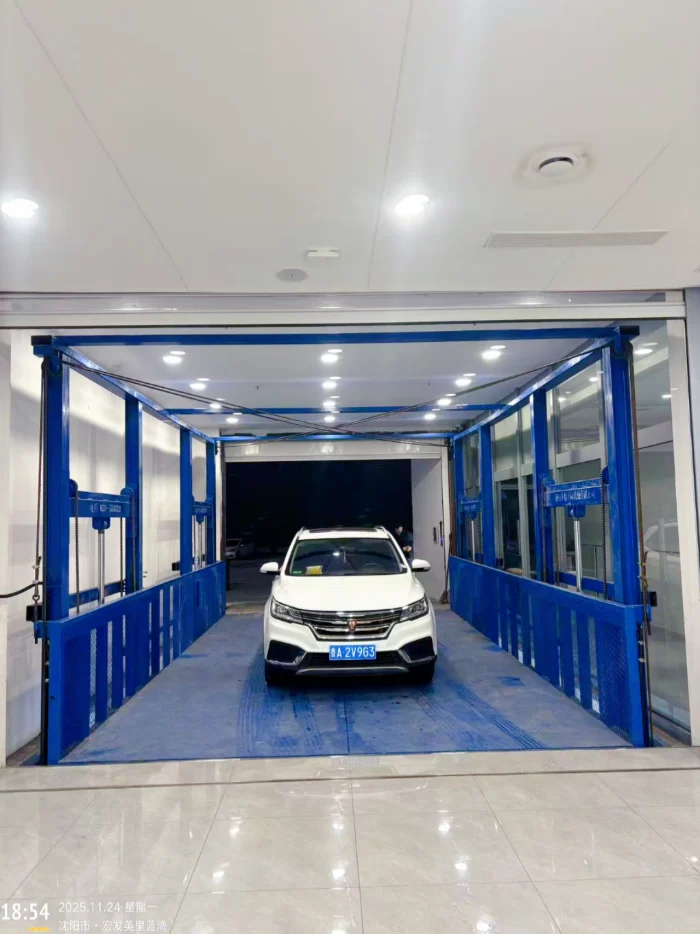
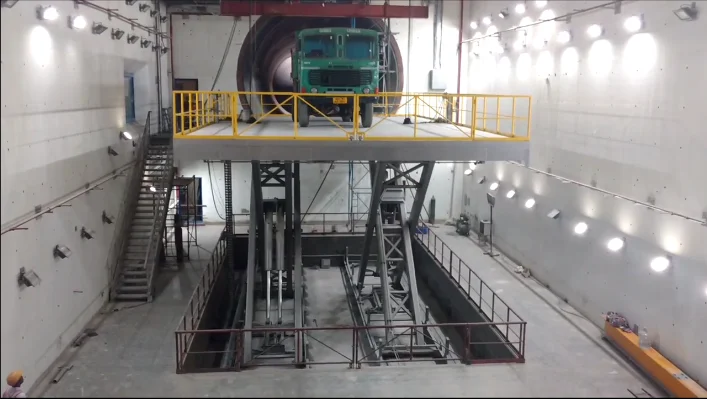
- Vehicle Maintenance & Repair: Facilitating undercarriage repairs for trucks and buses, where the U-shape conveniently straddles wheels and axles.
- Specialized Sectors: Its ability to wrap around equipment makes it useful in settings like substation maintenance.

 EN
EN  ES
ES  PT
PT  FR
FR  RU
RU  KO
KO  DE
DE